|
Soldiers Take on Trojan Warrior |
|||||
|
|
|||||
|
10th Special Forces Group (Airborne) |
|||||
|
Soldiers of the 1st Battalion, 10th Special Forces Group
(Airborne) met the challenge of the Trojan Warrior, a grueling
land and water movement exercise which tested their skills and
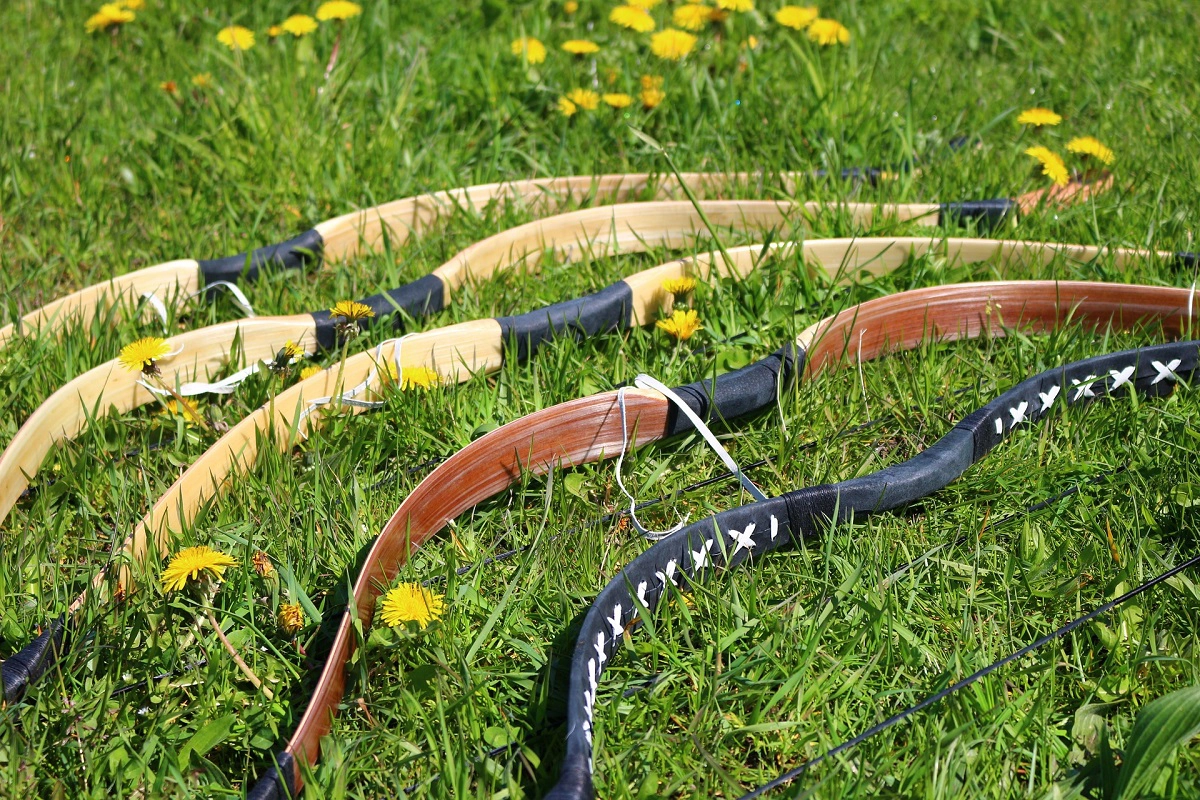
stamina as special forces soldiers. Lamb, who ran the fast-rope event, compared it to sliding down a pole at a fire station, with a key difference. "Your hands tend to get hot," Lamb said. Archery and spear throwing added to the first day’s challenges. The soldiers shot five arrows for familiarization before shooting 10 arrows within two minutes. Staff Sgt. Michael Carrol of ODA 013 said he preferred shooting an M4 carbine or M9 pistol, which he called “the tools of our trade.” Staff Sgt. Christopher Cummings ran the spear-throwing event, and said it was a morale booster, considering what he called the “pain and suffering” the soldiers would undergo in the following days. Cummings was referring to the 100-mile land and water movement beginning at midnight on May 22. Though they paddled rubber boats 18 miles down the Danube
River, the teams made most of the journey on foot-moving day and
night through checkpoints where they were tested on tasks like
weapons assembly, knot tying, and time-fuse calculation.
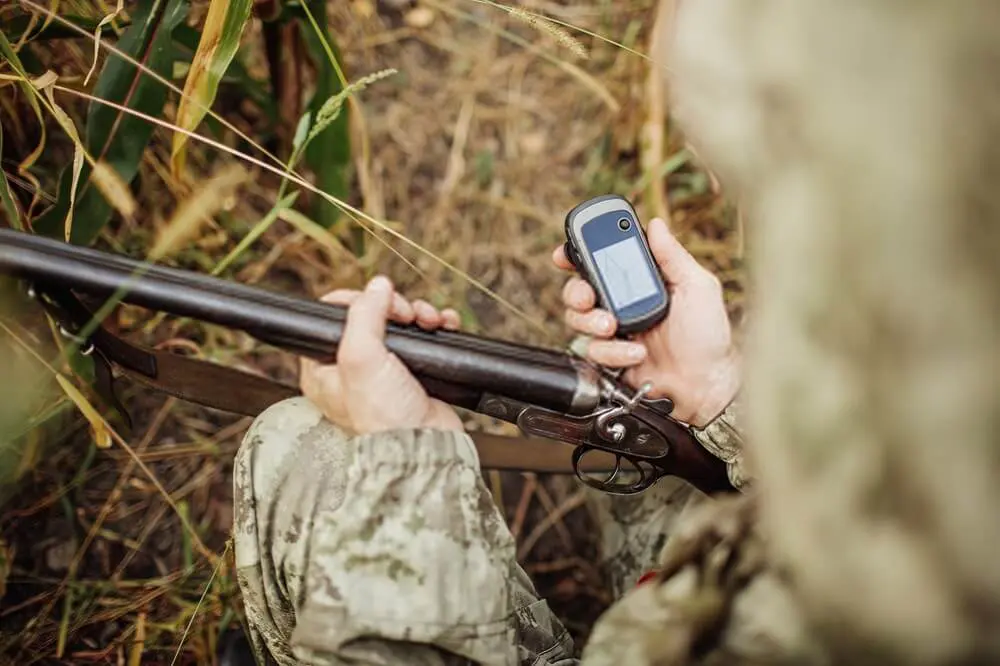
Teams drew cards to select which team member would do the task, and failure meant the addition of two hours to the team’s overall time. The soldiers also solved a different navigation problem at each checkpoint, finding their way using fragmented map sheets, photocopied maps, aerial photos, and joint operational graphic maps. Master Sgt. David Hartley, the battalion S-3 assistant operations sergeant, said the navigation challenges were part of the mental stress of Trojan Warrior, emphasizing that navigation is all part of being in special forces. “It’s one of the critical tasks we test and train on,” Hartley said. Chief Warrant Officer John Wesley Crone III, ODA 015, said accurate navigation depends on fallback procedures like terrain association and, ultimately, teamwork. “We always have one guy check the other guy’s work,” Crone said. The land movement included a 200-meter rappel down the sheer, rocky cliffs of the Swabian Alps. Master Sgt. Matthew Kemper, ODA 023, said the entire movement
required endurance and focus. He said special forces soldiers are
naturally mission focused.
“They’re here because they want to be here,” Kemper said. The teams drove hard, treating blisters on the march. By May 24, ODA 024 was four hours ahead of the next leading team. At this point the exercise was ended, and ODA 024 was declared the winner, with a time of 44 hours for a total distance of 45 miles.
Master Sgt. David Conner, ODA 024, said the water movement was the hardest part. “The current was slow, the water was shallow, and we got hung up a lot,” Conner said. Conner said Trojan Warrior covered a variety of terrains, from
mountainous to urban, and enabled teams to identify their
strengths and weaknesses. He added that ODA 024 was “already a
solid team.” Based at Panzer Kaserne in Böblingen, First Battalion, Tenth Special Forces Group (Airborne) is the only Army special forces unit in Europe. Trojan Warrior was the vision of it’s commander, Lt. Col. Christopher Perkins. =30= U.S. Army, Europe Public Affairs POC for this release is SSG Raymond Drumsta at DSN 370-7126, commercial, 06221-57-7126 or Email: drunstar@hq.hqusareur.army.mil |